

Why Investors Are Watching Inflation, Rates, and Corporate Quality
The beginning of 2026 confirms a simple reality: financial markets are no longer reacting only to growth promises, but to the real strength of companies, the direction of inflation, and central bank decisions. In this environment, investors are looking less for market noise and more for assets that can hold up in a stricter and more demanding climate.
A More Selective Market
Recent signals show that investors are becoming more cautious about high valuations and strong earnings expectations. In this kind of environment, performance depends not only on how popular a sector is, but also on whether a company can generate cash flow, protect margins, and maintain credible growth. This selectivity usually benefits well-managed businesses with clear financial discipline and a strong market position.
Inflation and Rates Matter Most
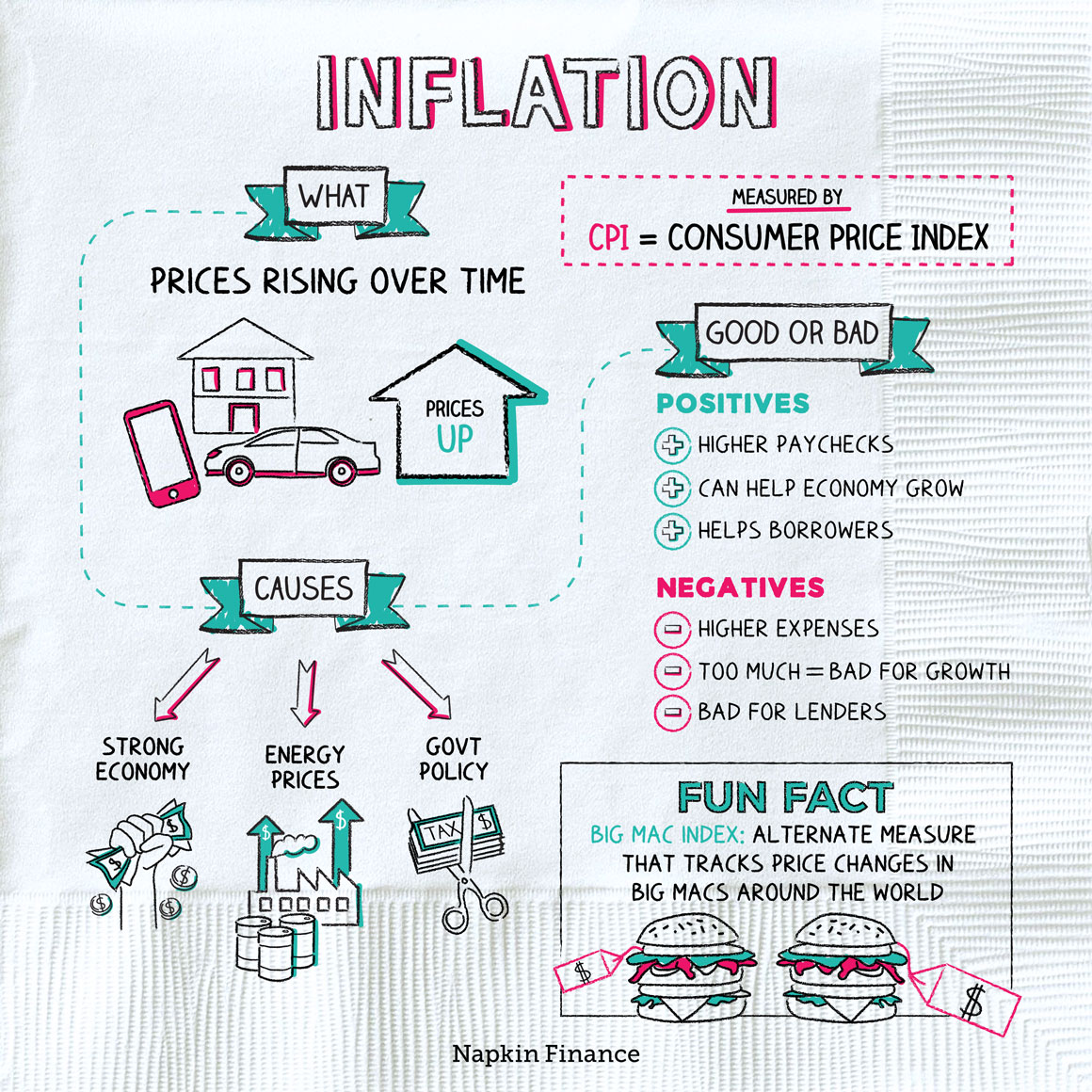
Several May 2026 analyses point to inflation remaining a key market issue, with some risk of renewed pressure in certain economies. If prices rise again, central banks may need to keep policy tighter for longer, which tends to pressure growth stocks and heavily indebted sectors. For investors, this means it is important to monitor not only interest rate decisions, but also how sensitive each company is to the cost of capital.
Likely Winners in 2026
The 2026 market appears to reward strong business models, healthy balance sheets, and sectors linked to productivity, energy, infrastructure, and the sustainability transition. The logic is straightforward: when capital becomes more expensive, companies that can prove efficiency are valued more highly. Investors looking to build resilient portfolios are therefore focusing more on businesses with competitive advantages, revenue visibility, and low dependence on external financing.
The Rise of Sustainable Investing
Sustainable investing continues to grow, but in a more mature way than before. In 2026, the market wants proof, not just messaging, which pushes companies to show measurable results in governance, energy efficiency, resource management, and risk control. For investors, this creates opportunity, but only where sustainability also translates into real economic value.
What This Means for Investors
In this environment, the best strategy is to stay disciplined, diversified, and focused on asset quality. Investors should avoid chasing the most visible trends and instead analyze earnings resilience, debt levels, profitability, and a company’s ability to adapt. In 2026, the real advantage belongs to those who combine patience, careful selection, and strong risk management.
What to Watch Next
The coming months will be shaped by several key indicators: inflation, growth data, monetary policy decisions, and company earnings. For an investment firm like KOBEBRI, this reinforces the importance of fundamental market analysis rather than emotional reactions to short-term moves. Investors who keep this discipline are better positioned to navigate a potentially volatile 2026 while still capturing opportunities.